SLICC has been involved in many projects over the years. Catch up on them here.
WELCOME
OUR MISSION
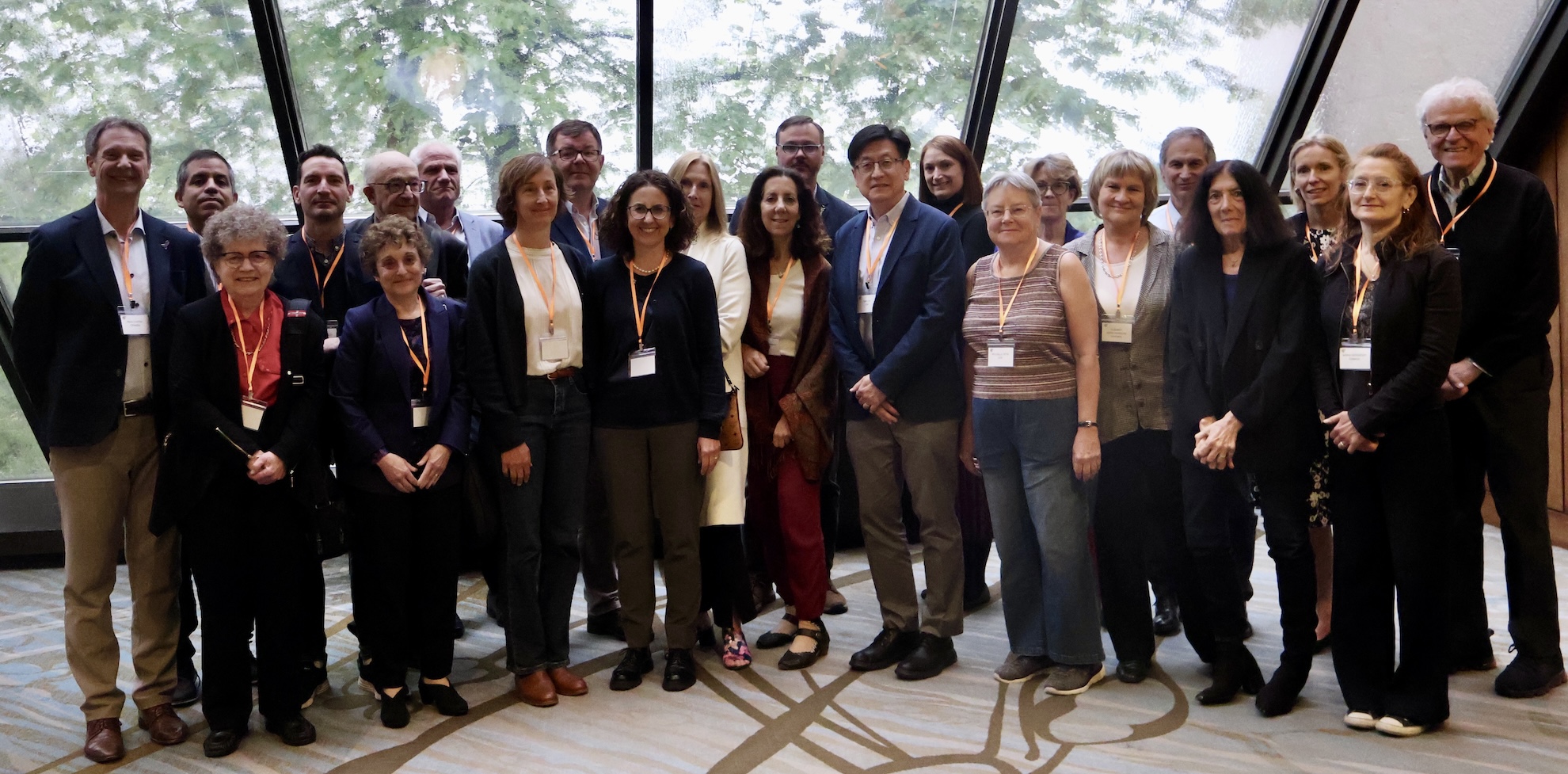
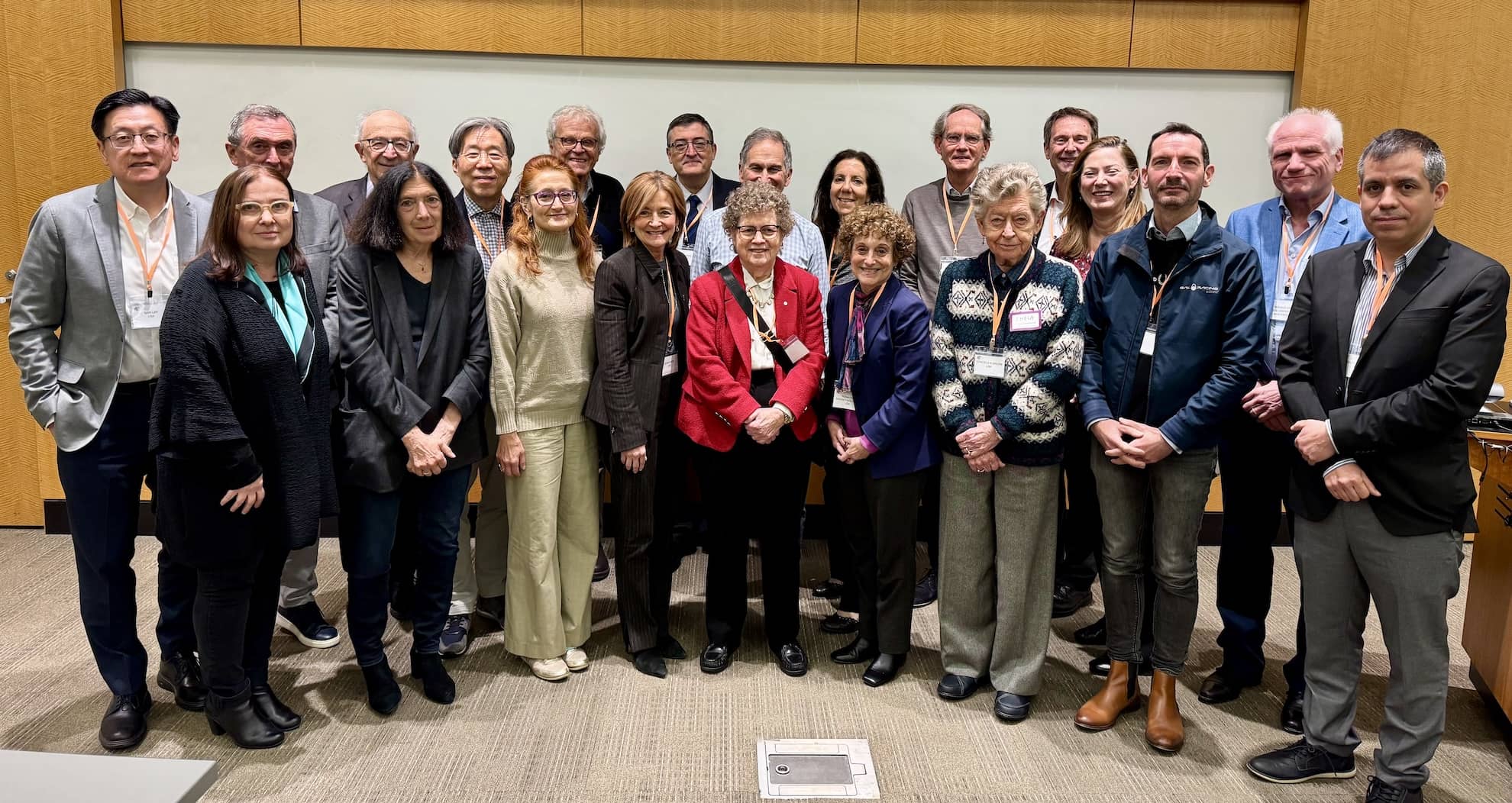
The Systemic Lupus Erythematosus International Collaborating Clinics (SLICC) is an international group of rheumatologists and immunologists with special interests in lupus who have been working together on lupus research since 1991.
Towards a better world for people with lupus through prevention and improved outcomes
SLICC relies completely on the generosity and support of our donors and funders to continue our work.
HISTORY & OBJECTIVES
ABOUT SLICC
Since its inception over 25 years ago, SLICC has evolved into a dynamic and expanding research group helping to promote lupus research and collaboration between scientific investigators. Over its history, SLICC has contributed to the development of multiple standardized outcome measures to better characterize lupus activity and damage as well as its response to varying treatments.

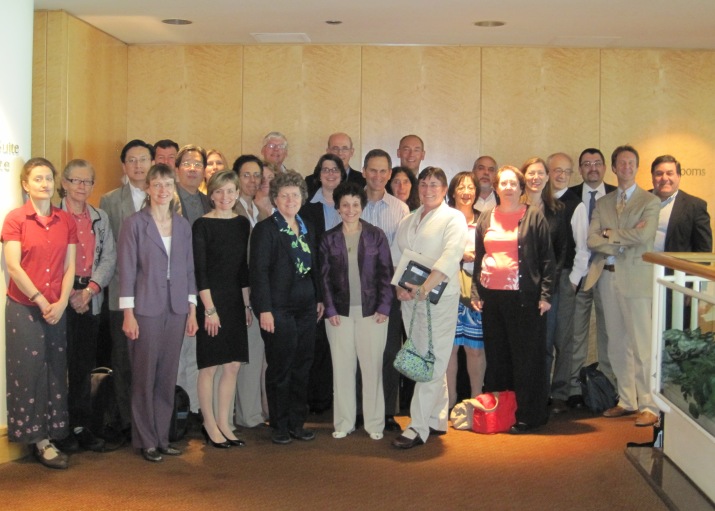



SLICC is dedicated to generating new knowledge in the field of lupus, and translating these basic and clinical research discoveries into better health care practices and policies to help provide a healthier future for people diagnosed with lupus.
In 1998, the SLICC group established a longitudinal cohort of newly diagnosed patients with lupus (SLICC Inception Cohort) to better understand risk factors for atherosclerosis and metabolic syndrome, and characterize nervous system involvement.
Our current research activities are focused on atherosclerosis, nervous system involvement, lupus nephritis, and damage accrual, and their economic impact using the inception cohort. New initiatives include development of a pregnancy cohort and working group on microparticles as well as revision of the SLICC/American College of Rheumatology (ACR) Damage Index (SDI).
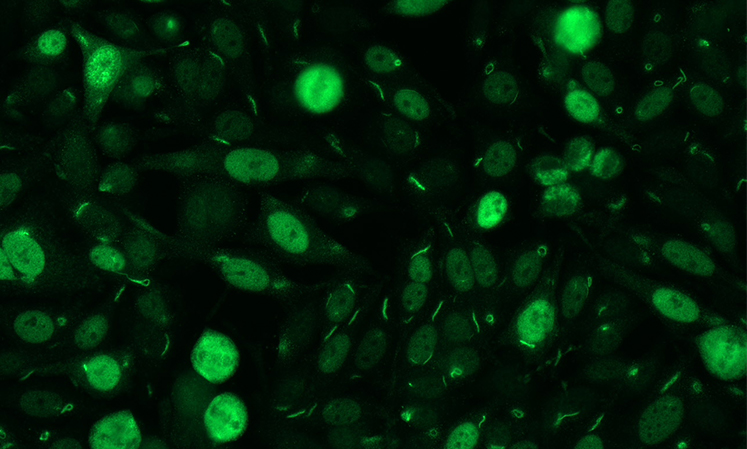
New Investigator: Dr. Ana-Maria Orbai
Funding Source: National Institutes of Health
Seventeen criteria were identified in a very time-consuming and laborious process which involved the consensus diagnosis of over 700 patient scenarios,
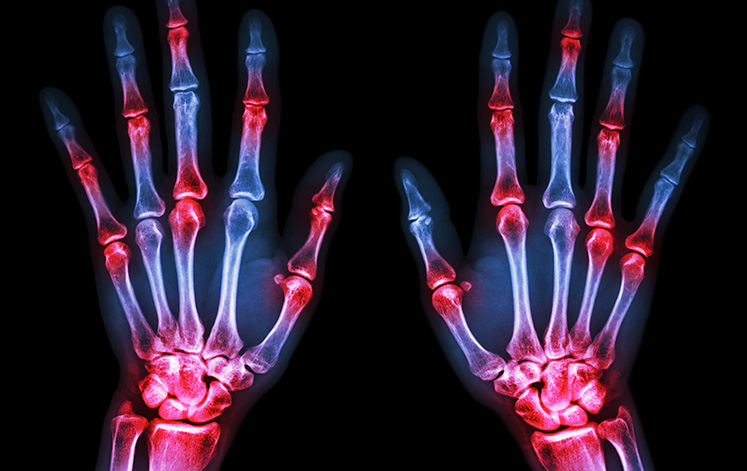
As chair of SLICC Dr. Gladman was a key facilitator in the development and validation of the SLICC/ACR Damage Index.

THE LATEST